
Student Modules
Workshop topics with detailed descriptions and required materials
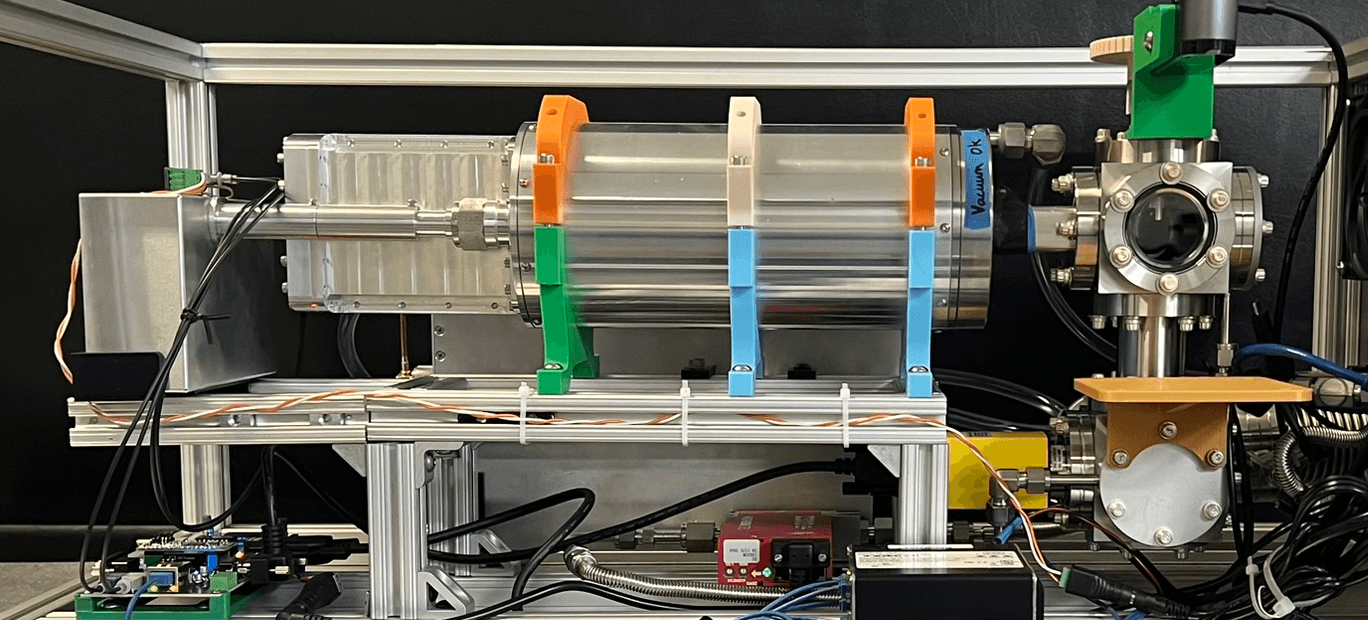
Alpha Ring can provide resources for development of Alpha-E course material that meets your programs goals, or to integrate Alpha-E into existing coursework in your program.Alpha Ring can provide resources for development of Alpha-E course material that meets your programs goals, or to integrate Alpha-E into existing coursework in your program. The workshop content described here represents templates and procedures that are ready to implement as described. Additional topics can be addressed with customized content to align with your program. Some workshops can be taught by Alpha Ring staff on a limited basis, either on-site or through video conferencing.
Check with an Alpha Ring representative or contact us by email at alpha-e@alpharing.com regarding the lessons below and other workshop options, or to learn more about our other educational and training resources.
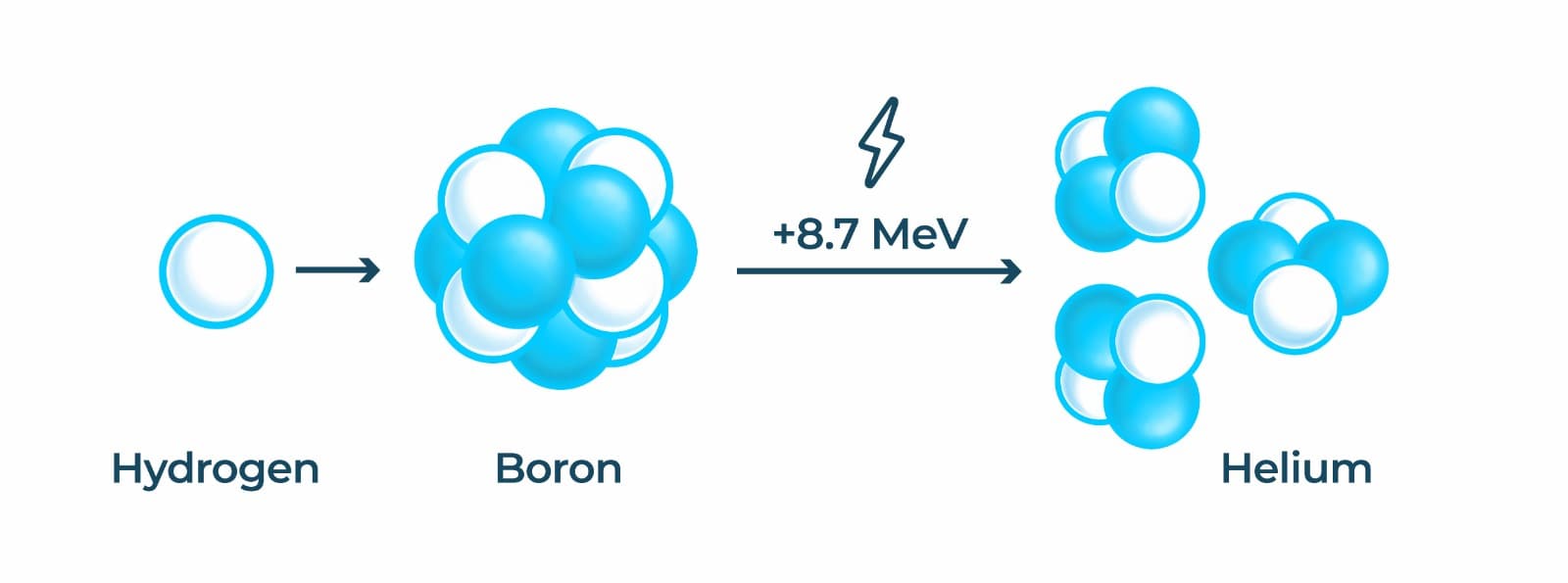
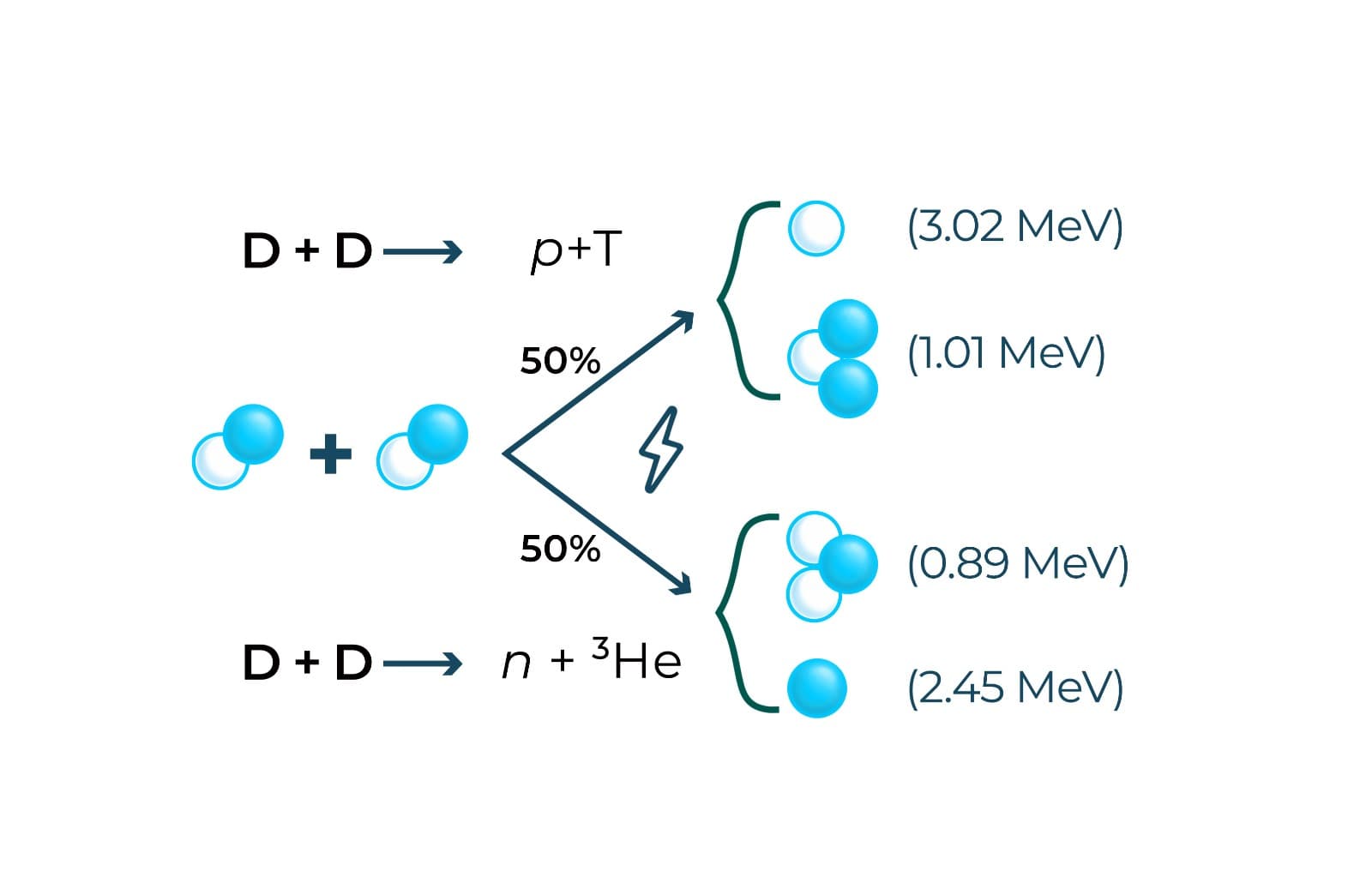
Each module is crafted to provide both theoretical insight and practical skills, using the deuterium-deuterium (D-D) and proton-boron (p-B) fusion reactions as the primary example systems due to their accessibility and educational value.
Each of the following modules is available with accompanying lecture materials, procedures, and safety information.
Workshop Modules
Each module includes lecture materials, procedures, and safety information.
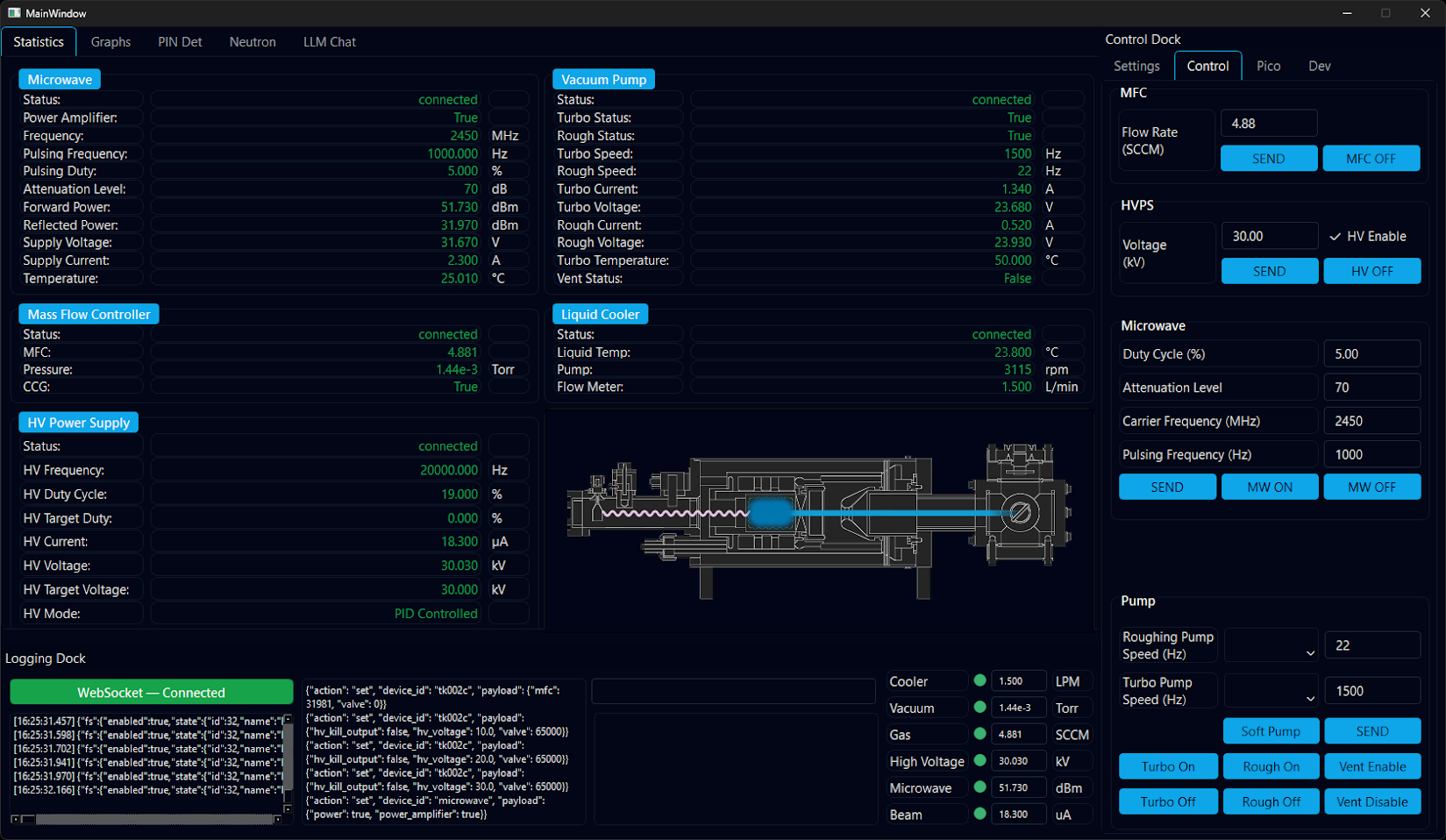
Basic Operation of the Alpha-E System
Learn to operate the Alpha-E system. The user becomes familiar with the functions and operation methods of the Alpha-E benchtop particle accelerator system by setting up the device in different configurations and performing system tests to evaluate performance under standard conditions.
Workshop Topics
→Required Materials
- Alpha-E accelerator
- Deuterium or hydrogen gas
- Charged particle detector
- Neutron detector (if running with deuterium)
- USB oscilloscope
RF Synthesizer and Amplifier Chain Electronics
The Alpha-E ion beam is extracted from a stable plasma. An RF synthesizer and amplifier chain is the first step in generating the plasma by supplying the microwave power needed for the process of electron cyclotron resonance. To ignite and sustain a plasma from which the ion beam can be extracted, the frequency must meet the resonance condition ω=qB/m, and sufficient power must be delivered to the plasma cavity. The RF chain converts electrical power into either pulsed or continuous electromagnetic energy that ionizes the supplied gas.
Workshop Topics
→Required Materials
- 50-Ω terminator
- 50-Ω cables and connectors
- 50-Ω dummy load
- RF amplifier board
- Low power oscillator
- Power amplifier
- RF power meter with 2-3 GHz range
- Vector Network Analyzer
- USB oscilloscope
- Basic tools
- screwdrivers
- multimeter
Exploring Microwave Plasma Discharge and Ion Beam Formation
The Alpha-E ion beam characteristics depend on the microwave-induced plasma discharge in the ion source [Geller2018]. In this module, you will explore how microwave power at 2.45 GHz can transform a neutral gas into plasma—a glowing, ionized state of matter whose properties are strongly influenced by external electromagnetic forces.
Workshop Topics
→Required Materials
- Alpha-E system
- Faraday cup assembly
- Visible-range spectrometer with optical fiber input
- Mounting flange with optical fiber adaptor
- Camera
- Phosphor screen
High-Voltage Power Supply Electronics
In this module you will learn about the high-voltage power supply (HVPS) electronics necessary for plasma and ion beam applications such as the Alpha-E. The plasma cavity in the ion source is held at a high potential (1–100 kV), facilitating the extraction of ions to form a beam moving towards a target that is at ground potential. Using high-voltage circuit architectures such as the flyback converter and LLC resonant topology, you will design and prototype power supplies that feed a Cockcroft-Walton multiplier to generate the high DC voltages required for ion-beam acceleration in the Alpha-E system. Throughout the project you will master core design principles—transformer selection, control strategy, voltage regulation, and impedance matching to the multiplier, while optimizing efficiency and stability.
Workshop Topics
→Required Materials
- HV circuit kit
- Plastic enclosure and HV standoffs
- Flyback converter PCB
- EMC filter PCB
- LLC resonant PCB
- Cockcroft-Walton multiplier
- HV probe
- Set of HV wiring and miscellaneous parts
- Multimeter
- Oscilloscope
Vacuum Systems and Gas Handling Components
Control of the composition and properties of a confined gas is essential for plasma or ion beam systems, such as the Alpha-E. In a fusion experiment, the tiniest air leak could potentially spoil the experimental conditions and results. The experimental parameters and many properties of the test system are dependent on the configuration of the chamber components and on the control and measurement systems.
Workshop Topics
→Required Materials
- Compressed gas bottle
- Vacuum test chamber kit
- Target assembly from Alpha-E system
- Pressure control unit and MFC electronics (TK-002)
- Additional pressure gauge (optional)
Beam Target Materials Using Metal Deuterides
Though the Sun is the most immediate natural model for fusion research here on Earth, there are many fusion reactions besides those most commonly observed in the Sun that may hold the key to practical fusion technologies. In this chapter, you will explore how metal deuterides, compounds isotopically-related to hydrides, such as titanium deuteride (TiD2) and zirconium deuteride (ZrD2), can serve as fusion targets in the Alpha-E system for deuterium-deuterium (D-D) fusion experiments. The high affinity of materials like titanium and zirconium for deuterons make them ideal for beam-target fusion experiments.
Workshop Topics
→Required Materials
- Alpha-E system
- Deuterium gas
- Deuterated targets
- Charged particle detector (Si-PIN diode sensor assembly)
- Neutron detector (Scintillation detector for fast neutrons)
- Spectrometer
Fusion Reaction Product Detection
Fusion reactions release energy in the form of particles such as protons and neutrons. The Alpha-E can accommodate a wide variety of diagnostic tools to track these fusion products. Each measurement system has features and limitations that must be matched to the experiment conditions and objectives.
Workshop Topics
→Required Materials
- Alpha-E system
- Deuterium gas
- USB oscilloscope
- Charged particle detector (Si-PIN diode sensor assembly)
- Neutron detector (Scintillation detector for fast neutrons)
- Timepix detector kit (optional)
Measurement of Coincident Fusion Products
The observation of detector signals does not, by itself constitute definitive evidence of fusion. Confirmation that our measurements align with a given theoretical model comes from correlated measurements and controls. In the case of deuterium-deuterium (DD) fusion, there are two reaction pathways. The neutronic pathway results in a 2.45 MeV neutron (n) and a 0.89 MeV helion (23He), and the aneutronic pathway yields a 3.01 MeV proton (p or 11H) and a 1.02 MeV triton (T or 13H).
Workshop Topics
→Required Materials
- Alpha-E system
- Deuterium gas
- Deuterated target
- USB oscilloscope
- Charged particle detector (Si-PIN diode sensor assembly)
- Neutron detector (Scintillation detector for fast neutrons)
- FPGA data development kit (optional)
Fusion Reaction Rate and Cross Section
The rate of a fusion reaction is an essential characteristic of any fusion technology, whether for energy production, isotope preparation, biomedical diagnostics, or other applications. In this lesson, you will measure the rate of production of alpha particles from p-B fusion, and use the production rate of those detected particle counts to determine an estimate of the effective fusion cross section for that reaction.
Workshop Topics
→Required Materials
- Alpha-E system
- Deuterium gas
- Deuterated target
- Hydrogen gas
- Boron carbide target
- USB oscilloscope
- Charged particle detector (Si-PIN diode sensor assembly)
- Neutron detector (Scintillation detector for fast neutrons)
Characterization of Fusion Products Using CR-39
CR-39—is a tough, clear plastic polymer material—that is a useful detector material to observe energetic charged particles [Rana2018]. When ions with MeV scale energy pass through CR-39, they leave behind trails of damaged chemical bonds. These trails can be enlarged into visible track pits by etching the plastic in a strong base. These track pits correlate with the energy, charge, and size of the incident particle [Nikezic2004]. The shape and dimensions of the tracks can be measured using optical microscopy [Sinenian2011, Pires2022].
Workshop Topics
→Required Materials
- Alpha-E system
- CR-39 particle detection kit
- CR-39 coupons, numbered
- Chemical etch bath assembly
- Alpha emission source (e.g. 210Po or thoriated tungsten rod)
- Mounting flange
- Microscope
Observation of D-D Fusion Products in a Cloud Chamber
A cloud chamber is a classic physics tool that can be used to visualize energetic particles, such as the ions produced in a fusion reaction. In this module you will prepare a cloud chamber where invisible protons from D-D fusion leave ghostly trails you can see with your own eyes. The cloud trails are condensation of a supersaturated ethanol vapor forming in the wake of the passage of the energetic charged particle. While operating the ion beam to induce D-D fusion, you will use a camera to capture images of the tracks and correlate them with the charged-particle emissions of the fusion process. You will then repeat the experiment with a thoriated-tungsten source, which emits α particles, enabling a direct comparison of track morphology and range. Your analysis will quantify these differences by calculating the stopping power and penetration depth of each particle type in various detector materials.
Workshop Topics
→Required Materials
- Alpha-E system in D-D fusion configuration
- Alpha-E cloud chamber kit
- Camera
- Camera mount
- Target assembly flange with 25 μm aluminum foil
High Voltage Insulation in the Alpha-E System
Content in development
Ion Beam Extraction from a Plasma
Content in development